 2021-2024
 Disinformation Pandemic
A semester course with measured impact: MIL competencies +21%, analytical skills +13%, and a shift toward actively verifying sources.
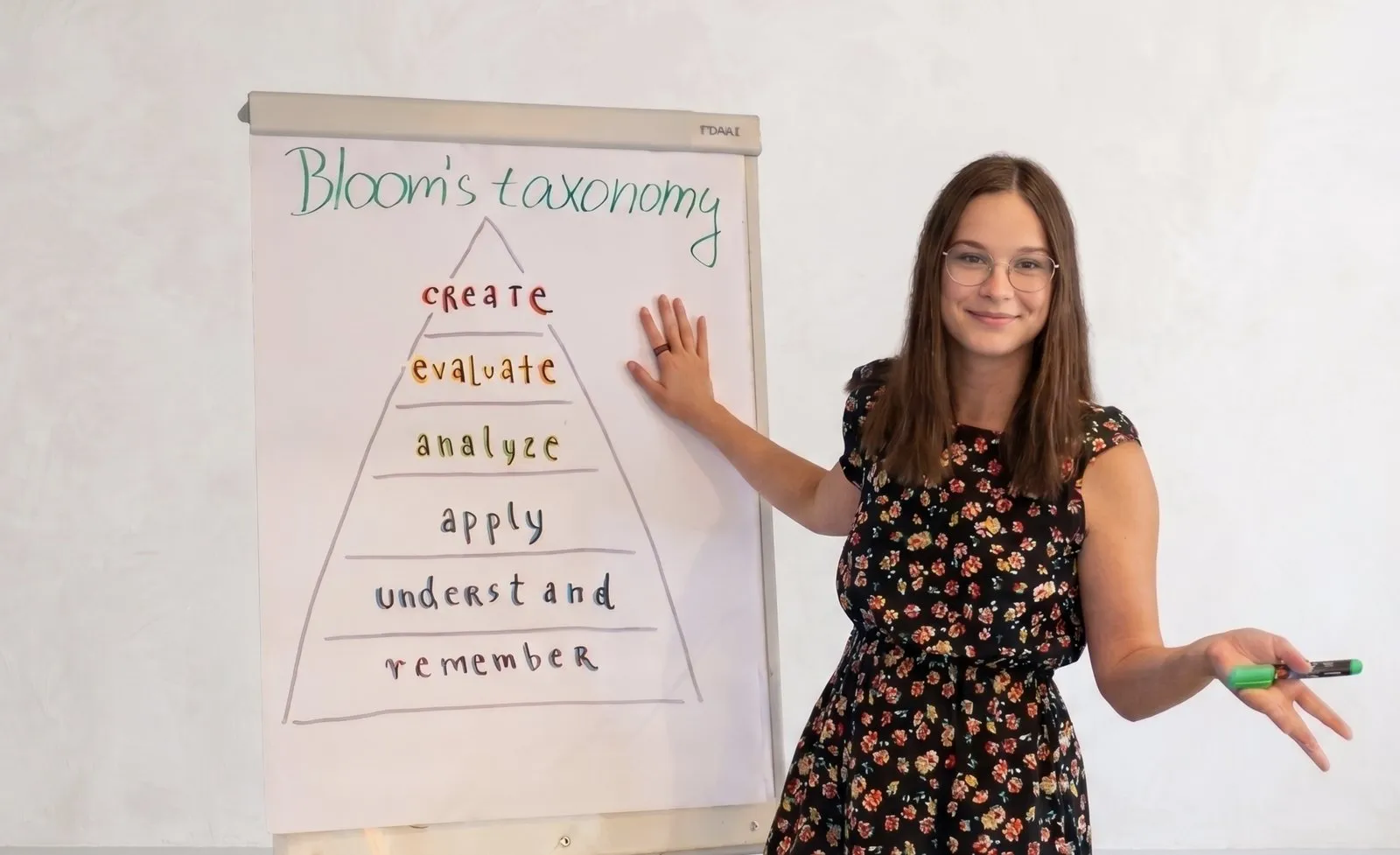
When designing a university course focused on media literacy, I started from the belief that education is the most effective tool against manipulation and information chaos. The course I designed for Masaryk University wasn’t just a static list of facts, but an intensive process in which students got hands-on experience creating content, analysing data, and facilitating discussions.
Media and information literacy (MIL) education has to respond to students' real needs. Before launching the course, I therefore carried out an in-depth needs analysis and piloted activities that later formed the backbone of the whole semester. The entire course design was built on experiential learning, where students first encountered a problem (for example, in the role of disinformation creators) before critically reflecting on its impact and learning the mechanisms of defence.
I measured the course’s impact through a combination of questionnaires and in-depth interviews, which confirmed that after completing it, students perceived their media literacy competencies as significantly stronger. The course shifted not only their knowledge of manipulative techniques, but above all their attitudes, from passively consuming information to actively and critically verifying sources.
Key topics
- Critical thinking and disinformation in the digital space.
- Psychological aspects of how we perceive information, and cognitive bias.
- Practical application of fact-checking and manipulation detection.